
When Too Much Control Becomes Self-Sabotage

The Myth of Endless Discipline
“Discipline is the foundation of success.” We hear this everywhere—repeated like an incantation, a sacred truth that cannot be questioned. If you want to achieve something great, you must exert control over yourself, eliminate distractions, and march forward with unrelenting willpower. And there is truth in this. Without structure, we descend into chaos. Without discipline, ambition is nothing but an empty dream.
But there is another side to this equation—one that is rarely discussed. When discipline becomes an obsession, it ceases to serve you and instead begins to consume you. What starts as a tool for self-mastery can quickly turn into a mechanism of self-sabotage.
Have you ever met someone so rigid in their habits, so enslaved by their own routines, that they are incapable of adapting? The athlete who trains through injury because “rest is for the weak.” The entrepreneur who sacrifices sleep, relationships, and health in the name of “grinding harder.” The student who forces themselves into a strict study routine until burnout renders them unable to think at all.
And yet, for some, this level of intensity isn’t forced—it’s chosen. Some of the greatest achievements in history were forged in the fires of relentless self-discipline. There are moments when sacrifice is necessary, when short-term suffering leads to long-term mastery. The Olympic champion who endures grueling training, the startup founder who works 18-hour days—these individuals understand the cost, and they are willing to pay it.
But the question is: Should this be a permanent state? At what point does discipline stop being a tool for achievement and become a form of self-destruction? Too often, people become so addicted to the grind that they forget to step back and reassess. They no longer ask whether the sacrifices still make sense—or if they are simply trapped in a pattern of behavior that no longer serves them.
At some point, discipline stops being a path to greatness and becomes a straightjacket, suffocating flexibility, creativity, and even rational thought.
In this article, we will explore the dark side of self-discipline—the point where excessive control becomes a liability. We will examine the psychological mechanisms that turn discipline into self-destruction, including cognitive rigidity, emotional suppression, and the paradox of over-control. More importantly, we will uncover how to balance discipline with adaptability—so that it remains a tool for self-improvement rather than a weapon turned against yourself.
Because the greatest danger is not a lack of discipline—it is the failure to recognize when discipline is no longer serving you.
The Psychological Trap: When Discipline Becomes a Cage.
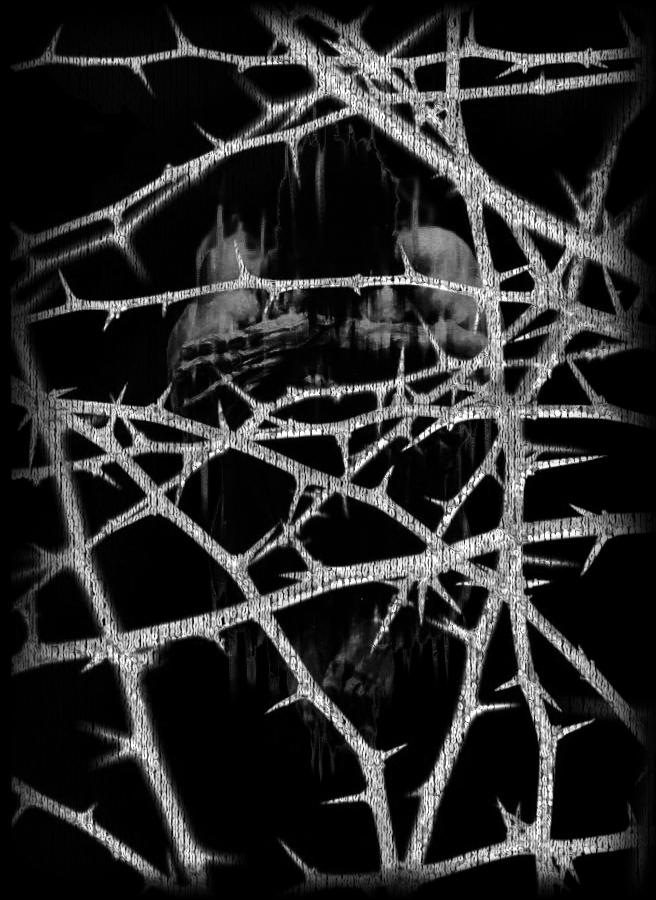
If discipline is meant to be a tool, why do so many people refuse to put it down—even when it starts working against them? The answer lies deep in human psychology.
One of the biggest culprits is cognitive rigidity—the tendency to become so locked into a specific way of thinking that alternatives are dismissed, even when they are objectively better. When a person has built their identity around being “disciplined,” any deviation from their routine feels like weakness, failure, or even betrayal of the self.
This is reinforced by the sunk cost fallacy—a mental bias that makes people continue investing in something simply because they have already put so much effort into it. The athlete who has trained through pain for years refuses to rest, thinking, “I’ve come too far to stop now.” The entrepreneur who sacrifices everything for their startup refuses to slow down, even as their health deteriorates, because “I didn’t work this hard just to quit.”
On a biological level, this obsession with discipline is also driven by dopamine reinforcement. The brain rewards progress, pushing individuals to chase the next milestone, the next achievement, the next high of success. But dopamine doesn’t care about balance—it only cares about more.
As a result, discipline can become a self-perpetuating cycle—not because it’s always beneficial, but because stopping feels unnatural, even terrifying. People fear that if they ease up, they will lose everything they’ve built. The truth, however, is that real mastery requires knowing when to push forward and when to pull back.
The Art of Balance: How to Master Discipline Without Destroying Yourself
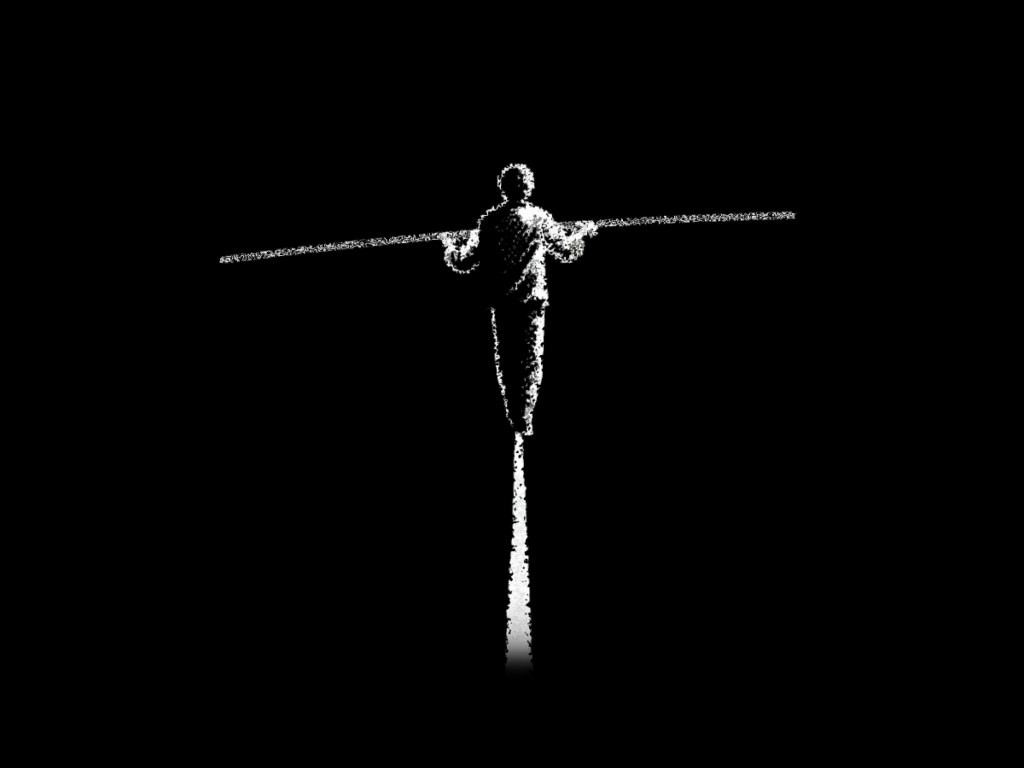
From Discipline to Mastery: The Art of Knowing When to Pivot
Imagine a warrior sharpening his sword every day. He believes that the sharper the blade, the more powerful he becomes. He grinds it relentlessly, never stopping—until one day, the sword becomes so thin that it snaps in half.
This is what happens when discipline is applied without wisdom. The belief that relentless effort always leads to progress is seductive, but it is also dangerously incomplete.
True masters of any field—be it business, sports, or intellectual pursuits—do not simply work harder. They refine their approach. They know that brute force will only take them so far, and at some point, strategy must replace sheer willpower.
Take elite athletes. Many young athletes believe that the only way to improve is through constant, grueling training. They push their bodies to the extreme, convinced that pain is proof of progress. Yet, the greatest champions understand that recovery is just as important as training. They schedule strategic rest, knowing that muscles grow in recovery, not in exhaustion. They don’t train harder—they train smarter.
Or consider a grandmaster in chess. An amateur may focus on making as many aggressive moves as possible, trying to dominate through sheer force. The grandmaster, however, plays a different game. He knows when to hold back, when to sacrifice a piece to gain a greater advantage, when to shift strategies entirely. He is not rigid; he is fluid. He does not simply execute a plan—he adapts to the ever-changing board in front of him.
The same applies to personal development. If you have been following a rigid path—forcing yourself into a strict routine, grinding through exhaustion, clinging to a strategy that is no longer effective—you are not exercising discipline. You are resisting growth.
Discipline is the tool. Mastery is the goal. And true mastery means knowing when to push forward and when to pivot.
Ask yourself: Is my current approach still the best path forward, or am I just afraid to change it?
Building Flexible Discipline – The Art of Bending Without Breaking
A tree that refuses to bend in the storm is the first to snap. The same applies to discipline. The more rigid you are, the more fragile you become.
Too many people treat discipline like a set of unbreakable laws—wake up at 5 AM, work non-stop, stick to the plan no matter what. They believe deviation equals weakness, that rest is laziness, that changing the strategy is giving up. But discipline without adaptability is not strength—it’s a cage.
The Difference Between Principles and Rules
The most successful people don’t follow rigid rules; they follow principles that guide their actions but leave room for adjustment.
- A rule: “I must wake up at 5 AM every day, no exceptions.”
- A principle: “I wake up early when it enhances my performance, but I will also ensure I get enough sleep to function at my best.”
- A rule: “I must work 12 hours a day, no matter what.”
- A principle: “I work intensely when needed, but I also step back to reassess whether my efforts are leading to real progress.”
“Rules break you. Principles guide you.”
The Fighter Who Knew When to Step Back
Think about Muhammad Ali. He was famous for his speed and power, but one of his greatest victories came from a strategy called “rope-a-dope.” Instead of attacking relentlessly, he leaned against the ropes, let his opponent punch himself into exhaustion, and then struck at the perfect moment. He won because he knew when not to fight.
A rigid fighter—one who only knew how to attack—would have fallen that night.
Life is the same. The ability to adjust, pivot, and strike at the right moment is often what separates success from burnout.
Are You Training Discipline or Just Feeding Your Ego?
For many, extreme discipline is not about progress—it’s about fear. The fear of slowing down. The fear of losing momentum. The fear of not being “disciplined enough.”
But if your discipline is based on fear rather than purpose, you will eventually hit a breaking point.
Ask yourself: Is my discipline serving my growth, or just feeding my ego?
Redefining Rest – The Secret Weapon of High Performers
A lion spends most of its day resting. It doesn’t pace anxiously, thinking it should be hunting every second. Yet when the time comes to strike, it’s swift, powerful, and precise. The lion knows something most people forget: rest is not wasted time; it’s preparation for domination.
But somewhere along the way, society turned “rest” into a dirty word—especially for high achievers. The narrative became clear: if you’re not working, you’re falling behind. If you’re not hustling, you’re losing. And so, people replaced strategic recovery with relentless grinding, believing that exhaustion is proof of commitment.
What they miss is that real commitment includes protecting your capacity to perform.
The Science of Mental Fatigue
On a biological level, the human brain operates much like a muscle. Push it too hard, too long, without recovery, and performance declines. Studies on cognitive load show that decision-making ability, emotional regulation, and creative thinking all deteriorate when the brain is overstressed.
- Athletes understand this instinctively. They train hard but rest harder, because muscles don’t grow during the workout—they grow during recovery.
- Yet, many professionals and entrepreneurs try to bypass this law of nature, working 16-hour days while wondering why their creativity, motivation, and emotional control are falling apart.
They’re not failing because they’re weak. They’re failing because they’ve confused motion with progress.
Rest Isn’t Laziness—It’s an Investment
Think of your mind like a field. If you plant crop after crop without allowing the soil to rest, the yield diminishes until the land becomes barren. The same happens to your mental energy. Continuous effort without recovery doesn’t lead to greatness—it leads to burnout, anxiety, and poor decisions.
When you rest, you’re not stopping the journey; you’re sharpening your edge for what’s next.
- Strategic breaks allow your subconscious mind to process problems and develop creative solutions.
- Sleep, far from being “lost time,” enhances memory, emotional stability, and decision-making.
- Taking a step back often reveals insights you were too close to see.
Ask Yourself: What Insights Am I Blind to Right Now?
When you’re in constant motion, you can’t see clearly. You become a hammer, treating every problem like a nail, failing to ask if maybe—just maybe—there’s a smarter, faster way forward.
Ask yourself: If I took a step back, what insights would I gain that I’m currently blind to?
The Fear of Letting Go – Why Control Feels Safe but Holds You Back
Imagine a man standing in the middle of a river, gripping a rock with all his strength. The current is strong, the water is rising, but he refuses to let go. He believes that if he holds on tight enough, he’ll remain in control. But in reality, the harder he grips, the more exhausted he becomes. What he doesn’t realize is that the safest way forward is to let go and swim.
This is what happens when self-discipline turns into self-sabotage.
Too many people mistake control for progress. They think that by micromanaging every detail of their lives—never deviating, never adjusting—they will be safe from failure. But just like the man gripping the rock, they become prisoners of their own fear.
Why Letting Go Feels Like Losing
The need for extreme discipline often comes from a deep-rooted fear:
- Fear of failure. If I relax, I’ll lose everything I worked for.
- Fear of uncertainty. If I don’t control every variable, something will go wrong.
- Fear of losing identity. If I stop grinding, who am I?
But here’s the truth: real power isn’t in clinging to control—it’s in mastering adaptation.
The Paradox of Control
The most successful people are not those who cling the hardest—they are the ones who know when to loosen their grip.
- A rigid entrepreneur follows a business plan to the letter, even when the market shifts.
- A smart entrepreneur adjusts strategies, pivots when necessary, and takes calculated risks.
- A rigid athlete trains through injury, convinced that stopping equals weakness.
- A smart athlete knows that recovery today leads to peak performance tomorrow.
- A rigid thinker clings to outdated beliefs, refusing to see new perspectives.
- A smart thinker remains open to learning, even if it means admitting they were wrong.
Control gives the illusion of safety, but in reality, the ability to adapt is what keeps you alive.
Are You Holding On or Moving Forward?
Look at your own life:
- Where are you clinging to a rigid rule that no longer serves you?
- What would happen if you loosened your grip, even slightly?
Letting go doesn’t mean giving up. It means trusting yourself enough to move with the current instead of exhausting yourself fighting against it.
Ask yourself: Am I holding on out of strength, or out of fear?
The Balance Between Discipline and Freedom
Self-discipline is a tool, not a prison. Like fire, it can either illuminate your path or burn everything in its way. The difference? Control. Not the kind that grips out of fear, but the kind that knows when to hold on and when to let go.
The most successful, fulfilled individuals don’t worship discipline for its own sake. They use it strategically.
- They work relentlessly, but they also recover deliberately.
- They commit to their goals, but they remain flexible in their methods.
- They push through discomfort, but they don’t confuse suffering with progress.
The truth is, the highest level of mastery doesn’t come from rigid self-control—it comes from knowing when to release it.
The Real Test of Strength
It takes strength to be disciplined, but it takes even more strength to know when to step back.
- If your discipline is serving you—fuelling your growth, sharpening your focus, expanding your potential—keep going.
- But if it’s making you rigid, isolated, exhausted, or anxious, ask yourself: Is this still making me better? Or am I just afraid to stop?
The Challenge: Are You Ready to Trust Yourself?
At the core of this entire struggle is trust. Do you trust yourself enough to let go when needed?
- To take a break without feeling guilty?
- To enjoy life without fearing it will make you weak?
- To adapt without feeling like you’re losing control?
Because the moment you do—that’s when you stop endlessly managing your life and start truly living it.
Ask yourself: Am I using discipline as a tool or as a shield?
If this article challenged your thinking, helped you see discipline differently, or made you reflect—consider making a contribution. We want to keep this content free for everyone and avoid running ads that ruin the experience. Your support allows us to continue creating deep, no-BS content that actually matters. If you’re ready to take a real step forward, check out our book Escape the Bottom. Either way, I appreciate you being here.
OR
/