
Why You Fail to Take Action
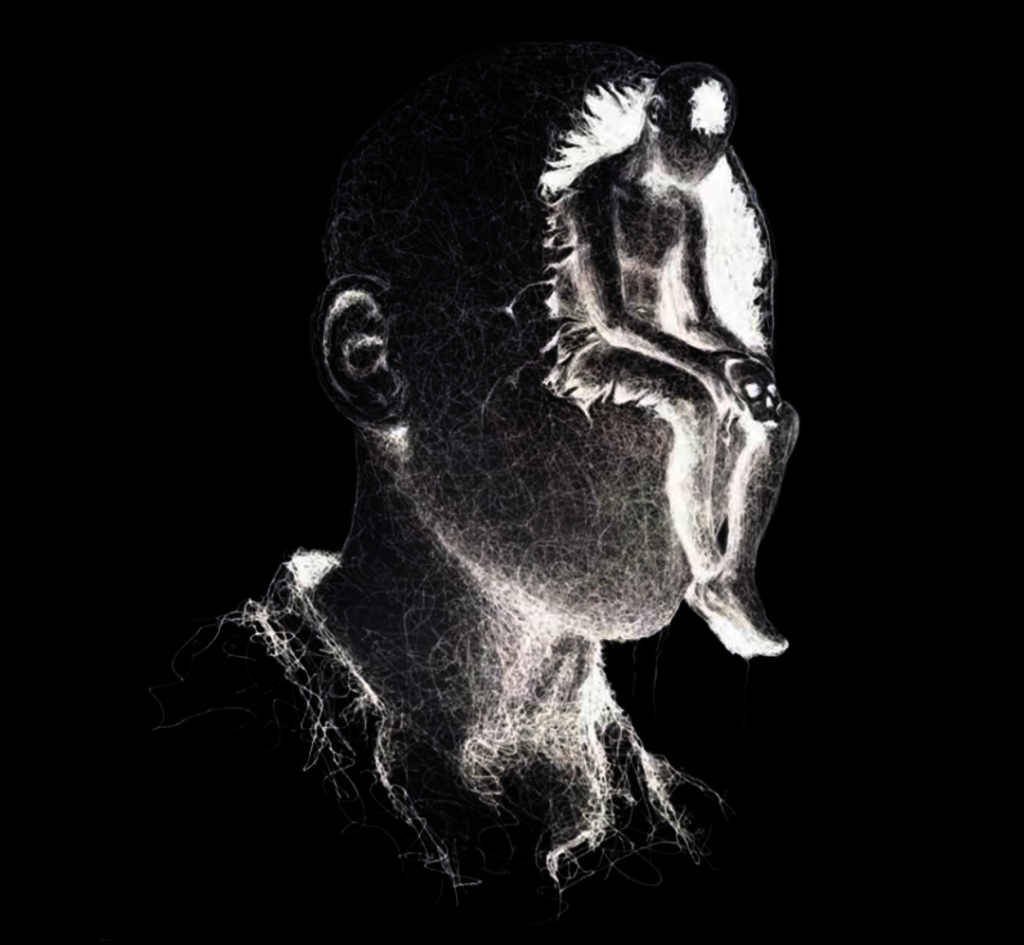
The Weight of Inaction
You know what you need to do. The path is right there in front of you. But you don’t take the step. You hesitate. You delay. You distract yourself. Why? Why do so many people fail to act, even when the stakes are high? Let’s break it down.
1. Fear of Chaos

When you take action, you step into the unknown. The world is unpredictable, and the moment you make a move, you invite uncertainty. Your brain hates that. It wants stability, order, predictability. So it convinces you to stay put, to wait, to prepare just a little longer.
But here’s the truth: Life itself is chaotic. Avoiding action doesn’t make things stable; it just hands control over to fate. And fate is cruel to those who refuse to move.
2. The Tyranny of Perfection

You tell yourself, “I’ll act when I’m ready.” But ready never comes. Because what you actually mean is, “I’ll act when everything is perfect.”
Perfection is a mirage. The more you chase it, the further it moves away. Meanwhile, time slips through your fingers. You have to act before you’re ready. That’s the only way to truly become ready.
3. The Comfort of Identity

Your mind has built a story about who you are. Maybe you see yourself as someone who hesitates, someone who struggles, someone who always falls short. And here’s the brutal part: You unconsciously protect that identity. Because if you succeed, that old version of you dies. And change—real, deep change—is terrifying.
Your brain would rather keep you in a familiar, miserable place than risk the unknown. That’s why action feels so hard. You’re not just fighting circumstances—you’re fighting yourself.
4. The Pain of Failure (and Success)

You fear failure, but that’s obvious. What’s less obvious is that you also fear success.
Failure means embarrassment. It means people will see you try and stumble. But success? That’s just as scary. Because success brings responsibility. If you win today, you have to keep winning. If you prove you can do it, you lose the excuse that you never had the chance.
So instead of risking either, you stay in the middle—safe, but stagnant.
5. The Dopamine Trap

Your brain rewards you for small, easy wins. Watching a video about success feels like progress. Reading another book about self-improvement makes you feel like you’re learning. But none of it replaces real action.
Your mind tricks you into thinking you’re doing something when, in reality, you’re standing still. You’re mistaking preparation for movement. The only thing that truly counts is action. Everything else is noise.
The Way Out: A Simple Rule
If you want to break this cycle, you have to act. And here’s the rule:
Start small, but start now.
Not tomorrow. Not when it feels right. Now. Pick the smallest possible step and take it.
- Want to start a business? Send one email.
- Want to get in shape? Do one push-up.
- Want to improve your life? Make one difficult choice today.
That first step shatters the paralysis. And once you’re moving, momentum takes over.
Because action, not thought, is what reshapes your world.
So move. Now.