
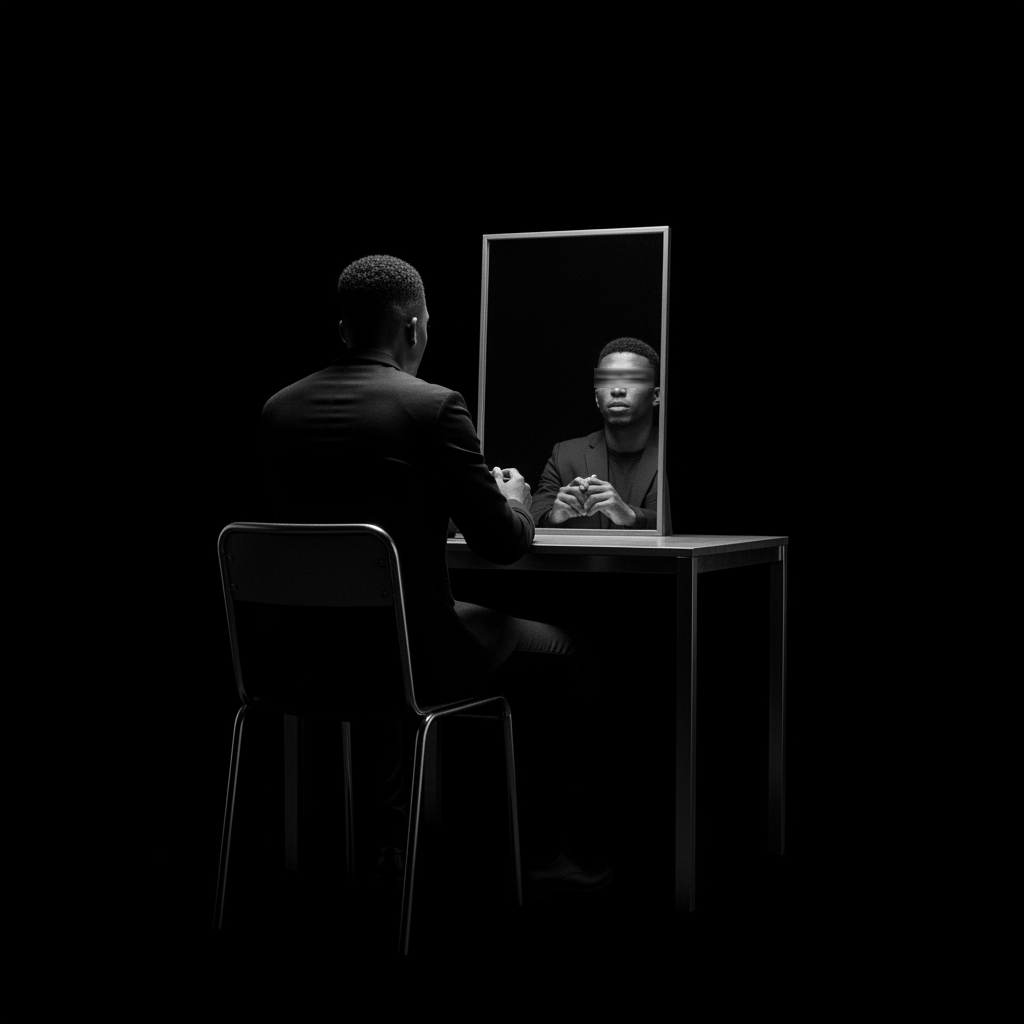
Let’s stop pretending.
You say you think independently.
You say your beliefs are yours.
You say you “did your research.”
But if you had been born somewhere else,
raised by different parents,
fed different narratives,
rewarded by different systems—
You would defend a completely different worldview
with the same intensity you defend this one.
So what exactly are you so proud of?
Your reasoning? Or your conditioning?
You Didn’t Choose Most of What You Believe

You inherited it.
Your first opinions were installed before you could question anything.
Language shaped your categories.
Culture shaped your moral instincts.
Authority shaped your fears.
Media shaped your outrage.
By the time you were old enough to “decide,”
the frame was already built.
You didn’t start from neutral.
You started from programmed.
And then you mistook familiarity for truth.
You Don’t Defend Truth. You Defend Identity.
Here’s the uncomfortable reality:
When someone challenges your belief,
you don’t feel intellectually threatened.
You feel personally attacked.
Your heart rate rises.
Your tone sharpens.
You search for counterarguments immediately.
That’s not curiosity.
That’s ego defense.
If your belief were truly yours,
tested, examined, and consciously chosen,
you wouldn’t panic when it’s questioned.
You’d investigate.
Instead, most people react.
Because what’s actually under threat isn’t the idea.
It’s belonging.
Belonging Controls You More Than Truth Does
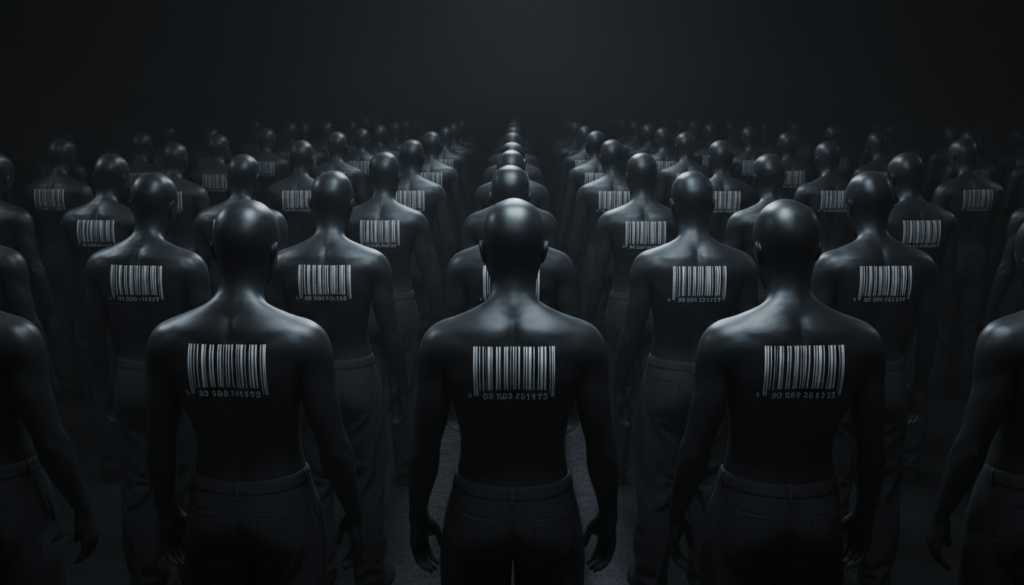
You want approval more than accuracy.
You want to stay aligned with your group more than you want to be right.
If tomorrow every person you admire rejected your strongest opinions, would you still hold them?
Or would doubt quietly enter,
not because the logic changed,
but because your tribe did?
Most convictions collapse the moment isolation becomes the cost.
That’s not a principle.
That’s social survival.
You Confuse Confidence With Depth
Being certain doesn’t mean you’re correct.
It usually means you haven’t looked far enough.
People who haven’t deeply questioned themselves speak with the most certainty.
Because doubt requires humility.
And humility feels dangerous
when your identity is built on being right.
The Brutal Question
Take one belief you hold strongly.
Now ask:
When did I first adopt this?
Who benefits from me believing this?
Have I seriously explored the strongest arguments against it?
Or do I only consume information that confirms me?
If your answers make you uncomfortable, good.
That discomfort is the first sign of independent thought.
The Possibility You Avoid
What if many of your “core values”
are not conclusions, but adaptations?
What if your personality is partly a strategy to gain approval?
What if your opinions are echoes?
What if your outrage is borrowed?
And what if the version of you that feels “authentic”
is just the version most rewarded by your environment?
That doesn’t mean you’re weak.
It means you’re human.
But pretending you’re fully self-made intellectually
is intellectual arrogance.
Independence Is Rare
Real independent thinking is costly.
It risks:
- Rejection
- Misunderstanding
- Isolation
- Being wrong publicly
Most people don’t want truth badly enough to pay that price.
They want certainty.
And certainty is cheaper.
If you had been born in a different system,
you would defend that system just as passionately.So before you call something “my belief,”
ask yourself:Did I choose it?
Or did I simply grow into it?