
The Science of Habits: How to Rewire Your Brain for Success

Success is not about luck. It’s not about talent either. It’s about habits. The small, repeated actions that shape your life. If you don’t control your habits, they will control you.
So how do you rewire your brain to develop habits that lead to success? The answer lies in neuroscience, psychology, and discipline.
The Habit Loop: The Cycle That Runs Your Life
Charles Duhigg, in The Power of Habit, explains that habits follow a three-step loop:
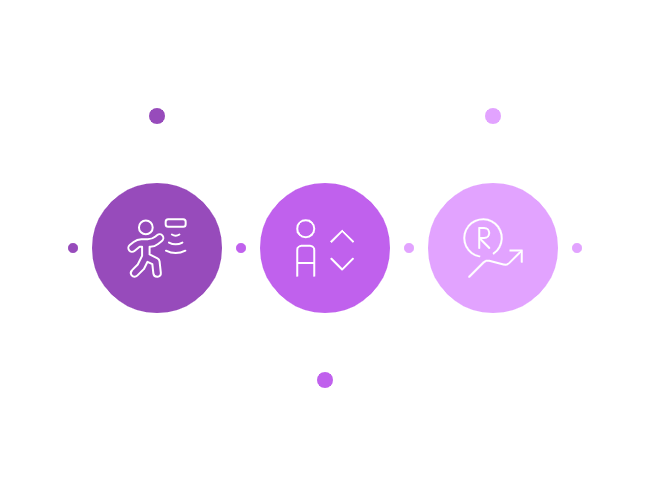
For example, let’s say you check your phone first thing in the morning.
- The cue? Waking up.
- The routine? Grabbing your phone.
- The reward? A dopamine hit from notifications.

Your brain links the cue and reward, making the habit automatic. This is how both good and bad habits form.
Neuroplasticity: How Your Brain Adapts
Your brain is not fixed. It changes. This ability is called neuroplasticity, and it’s the reason you can rewire your mind for success.
Every time you repeat an action, your brain strengthens the neural pathways related to it. Think of it like carving a path in a forest—the more you walk it, the clearer it becomes.
But this works both ways. If you reinforce bad habits, they become deeply wired. If you starve them, they fade.
How to Rewire Your Brain for Success
1. Identify and Replace Negative Habits
You can’t just eliminate bad habits. You must replace them.
- Example: If you scroll on social media when stressed, replace it with reading or journaling.
- Why it works: Your brain still gets a reward, but in a way that benefits you.
2. Start Small and Make It Easy
Jordan Peterson often talks about taking responsibility for the smallest things first. This is how habits stick.
- Want to read daily? Start with one page.
- Want to exercise? Do one push-up.
By making it easy, your brain resists less. Over time, the habit grows.
3. Use the Environment to Your Advantage
Your surroundings shape your habits.
- Want to eat healthier? Keep junk food out of sight.
- Want to work more? Keep your phone in another room.
Your environment should make good habits easy and bad habits hard.
4. Use Dopamine to Reinforce Success
Dopamine is a neurotransmitter that motivates you. The key is to make success feel rewarding.
- Celebrate small wins – Every time you complete a habit, acknowledge it.
- Use habit tracking – Marking progress triggers dopamine.
- Find meaning – If a habit aligns with your values, it becomes easier to maintain.
5. Be Consistent, Not Perfect
Your brain learns through repetition, not perfection. If you miss a day, don’t quit. What matters is getting back on track.
The Science-Backed Power of Habit Stacking
Habit stacking is a technique where you attach a new habit to an existing one.
Formula: “After I [current habit], I will [new habit].”
- After I brush my teeth, I will read one page.
- After I drink my morning coffee, I will write down one goal for the day.
This method works because your brain already recognizes the old habit’s cue, making it easier to form the new one.
Resources and Further Reading
- The Power of Habit – Charles Duhigg
- Atomic Habits – James Clear
- Jordan Peterson on Responsibility and Self-Discipline
Final Thoughts: You Are What You Repeatedly Do
Your life is a reflection of your habits. If you want success, you must build habits that align with it.
Start small. Stay consistent. Rewire your brain. And in time, success will no longer be a goal—it will be a habit.